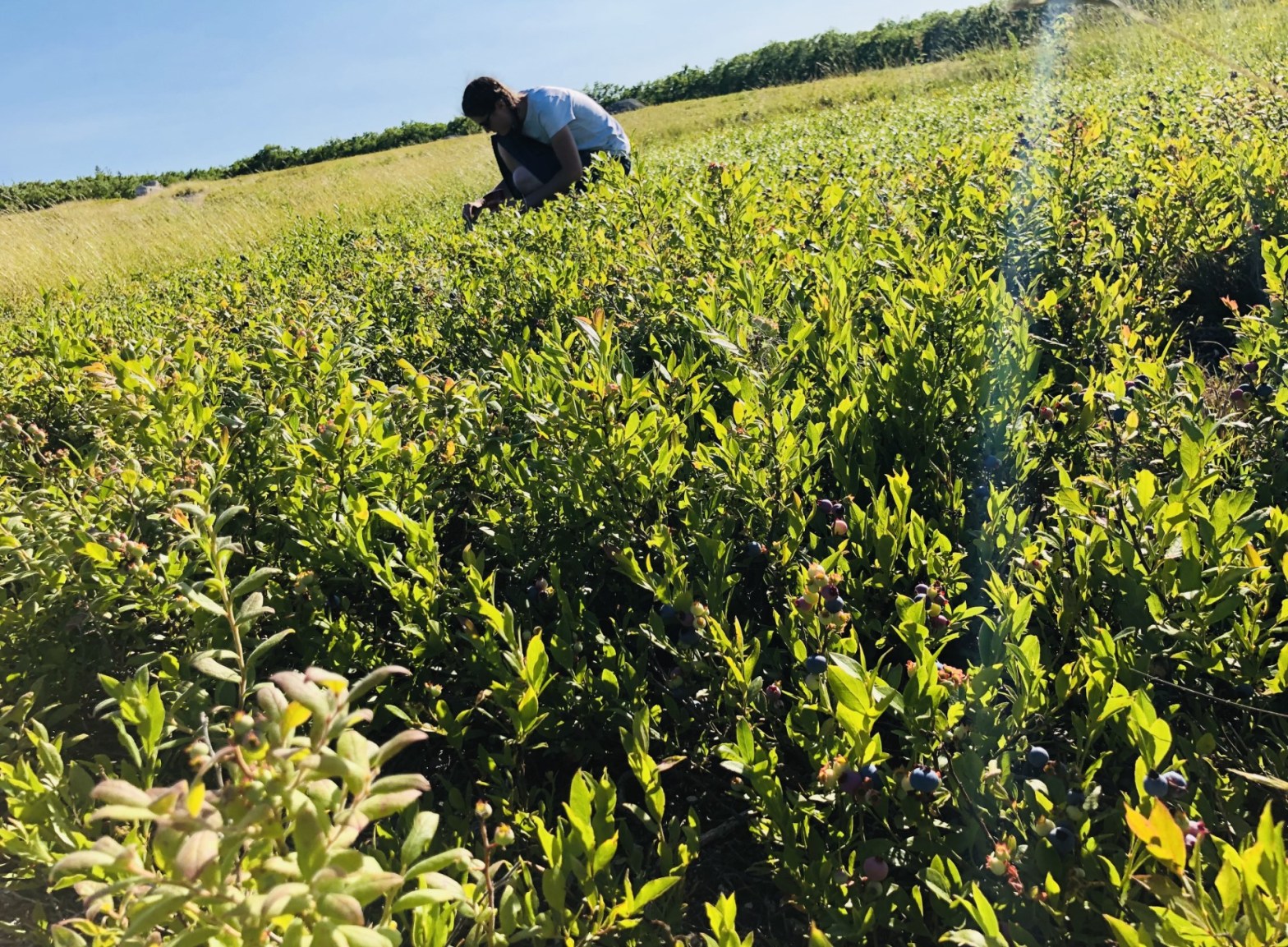
If you’re on social media at all, you’ll hear of people hopping on the trend of homesteading. Of making things from scratch, growing and harvesting from a backyard garden, and finding more natural ways to solve America’s growing number of health problems. There’s so much of this trend that I love. Especially the independence of being able to make, grow, and build things yourself. I can appreciate something that inspires people to gain new, productive skills.
However, as most people following this trend realize, one can only go so far. There are precious few of us that can “live off the land” completely. Most of us don’t see the monetary value of making everything ourselves. I have made my own soap, I make bread once a month, and I have a couple of boxed vegetable gardens in my backyard. But as much as I might be able to grow in my garden in the summers, I make several trips to Walmart a month for produce alone. As much as I love fresh eggs, I hate taking care of chickens. And sometimes, baking bread when it’s 87 degrees outside just doesn’t make sense. While not everything on this trend is helpful for people in my situation, i.e. someone who has a smaller budget, who might be renting, and who doesn’t have a ton of extra time to cultivate a complete homesteader lifestyle, there’s one small aspect of it that I’ve been fascinated with for a while now. Foraging.
While hopefully very few of us will find ourselves “lost on a mountain in Maine” and are forced to forage to survive, it is a great way to snack during hikes, and add variety and delicious flavors to our summer meals. I’ve found that due to the diverse forests covering my home state, there are plenty of easily found, edible plant-life, even in my own backyard. So I’ve compiled a list of 10 edible plants that are in season right now, and are found all over the state of Maine!
Blackberries
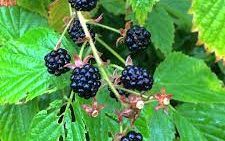
Blackberries are found all over the world, in every country excepting Antarctica (White, 2021), and Maine is no exception! Generally found near the ground, the most common Maine Blackberry grow large in size and can be found in most open areas with good soil and room for sunshine. One of my favorite aspects of the foraging for blackberries is that they are unmistakable since they have no lookalikes! They are full of nutrients and vitamins, and their seeds hold healthy fats, making them a delicious choice for a healthy lifestyle. They also last longer than most other Maine berries, so they make for some of the best snacks to pick along a hiking trail!
Blueberries
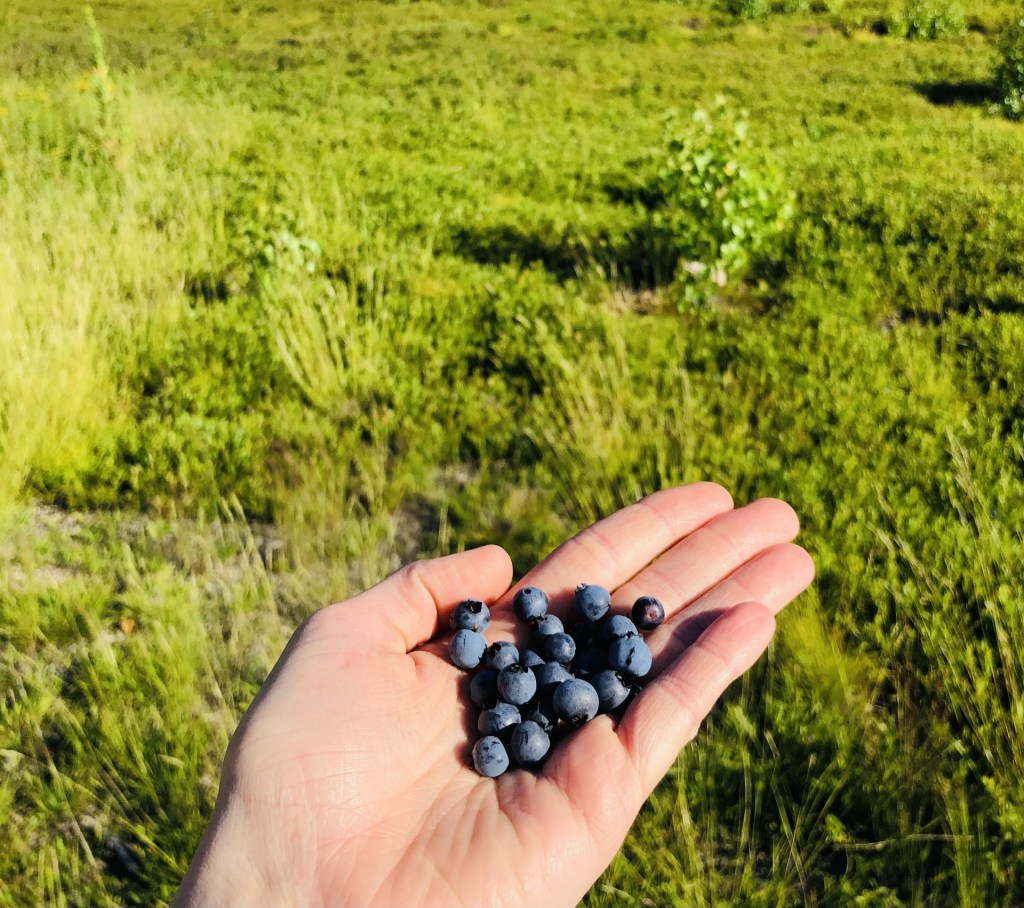
One of the best things about living in Maine is the fields of blueberries. In Central Maine, I live near quite a few of these fields, green in the spring and summer, red in the fall and winter. Maine still produces 99% of the country’s blueberries (Maine DOE, 2023), and most Mainers can appreciate this delicious fruit in any number of amazing desserts! They are also full of healthy vitamins, antioxidants, and dietary fiber, making them an ideal snack (Maine DOE, 2023). The kind of blueberries grown in Maine is almost exclusively low-bush, often called “wild blueberries”, and turn from green to blue when ripening.
Cattails
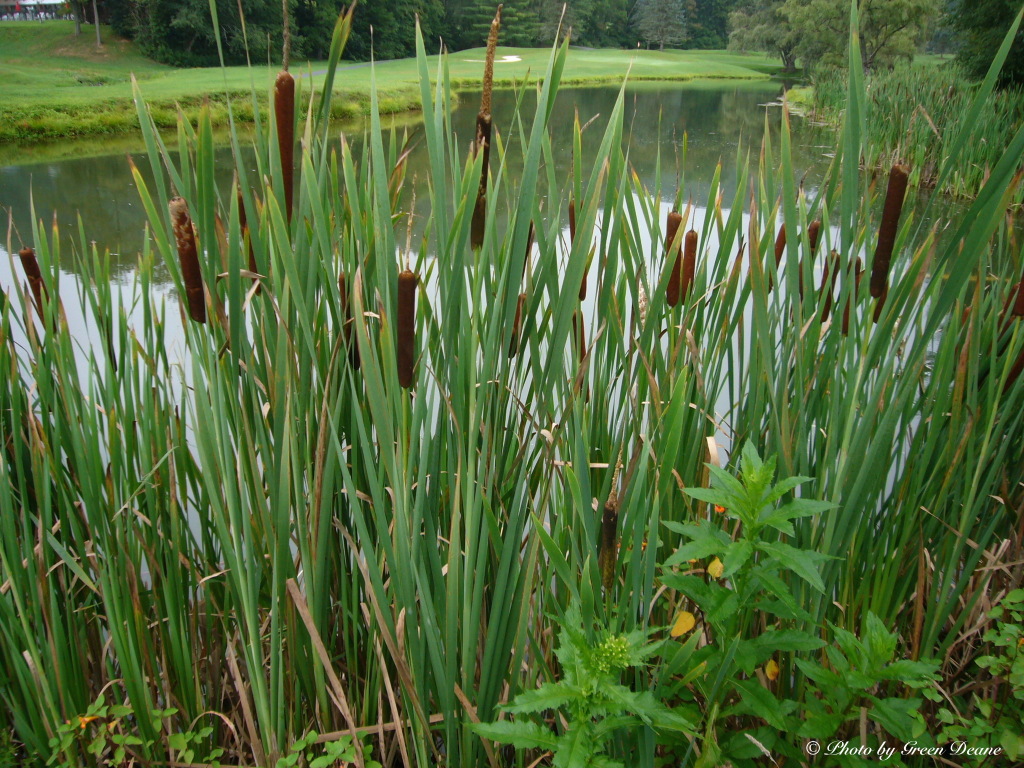
This one suprised me the most, so I had to try it out. Throughout it’s various phases, cattails can be eaten in different ways. As a young shoot, the stems can be boiled or eaten raw. Cattail leaves are sometimes thrown in a salad. The roots can be cooked or boiled. The flowers can be thrown in a pan with butter. Most people, however, eat the pollen of a cattail. This pollen is then used as either a type of flour, or as a flour additive. Some even cook these up in a stir fry. Cattails, as most people are aware, grow around marshy areas, or on the edges of ponds. The foraging process is usually more time-consuming, if colllecting just the pollen, but due to the variance of uses and accessibility, the cattail might be a favorite choice for Maine foragers!
Common Milkweed
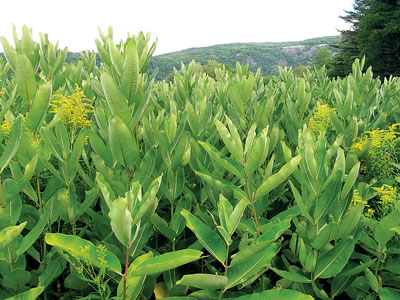
Milkweed has always been a favorite find of mine, mainly because Monarch butterflies tended to gather around these plants. Grown primarily around open areas, these plants can grow 2 feet tall (McCargo, 2023). I usually found them on the edges of forested fields, though I have caught sight of them on the side of the road before as well. The leaves from a milkweed plant is what is edible. While having a rougher texture than most plant leaves, and not having quite as much flavor, they are found in plentiful amounts around Maine.
Dandelion Leaves

Perhaps the most common weed in every person’s backyard, this plant’s leaves and flowers are surprisingly edible. Though its leaves’ bitter taste is a turnoff for some, it is paired well in a salad topped with lemon juice and a simple vinaigrette. The leaves are filled with antioxidants, vitamin A, and vitamin C, and so are included in the healthy “leafy green” department (MHT, 2019). For optimal benefits, picking the leaves before the dandelion plant flowers is best. The flowers are less nutritious, but can also be eaten.
Fiddleheads
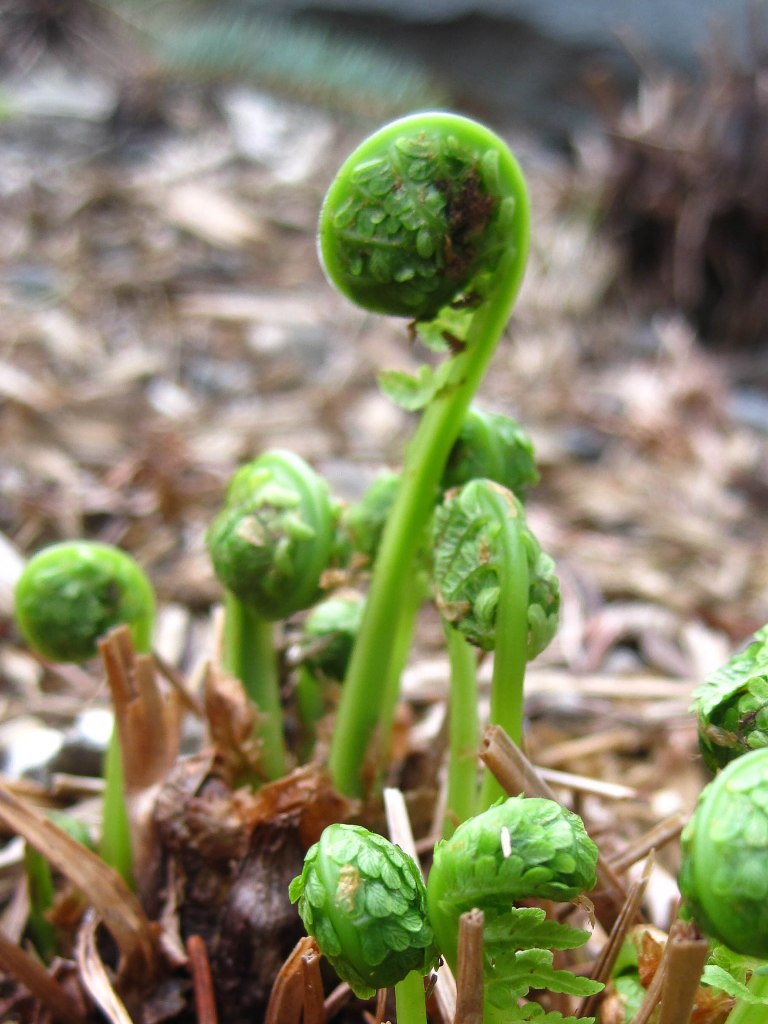
Fiddleheads are one of the most delicious greens readily available throughout Maine. They are most commonly found by running water in the woods. Picked before fully grown from the ostrich fern, these young ferns are delicious sauteed, steamed, or boiled. Many choose to eat them with seafood, making them an even more desirable Maine dish. Fair warning, these edible plants must be cooked for at least 10 minutes to avoid getting sick. Researchers have associated raw or undercooked fiddleheads with foodborne illness (Bolton et al., 2023). Fiddleheads are most commonly found in the spring in New England, but they can be found in the summer in smaller quantities. To differentiate between the edible ostrich fiddlehead and inedible fiddleheads, look for a scaly brown layer and a smooth stem, and you’ve got an edible fiddlehead!
Pin Cherry
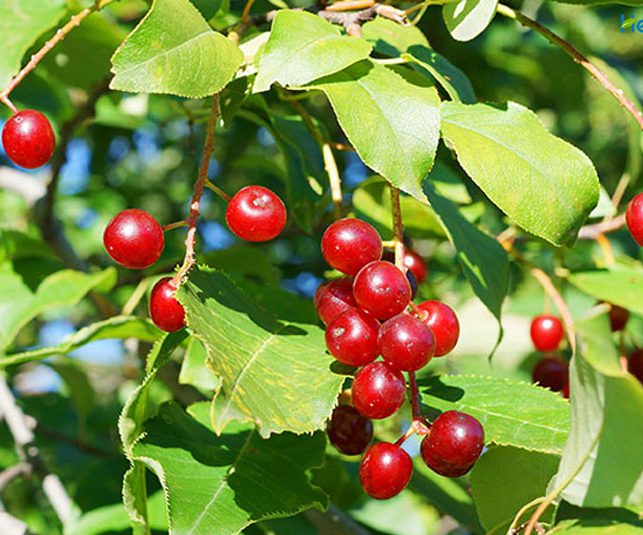
Pin Cherries, also known as Fire Cherries, are very tart, sour stone berries that come in a group of two. They are similar in Pie Cherries, also a sour, yet more popular, cherry, but pin cherries grow smaller in size, about ¼” in diameter (Maine Tree Club, 2001). They were so named Fire cherries since they are often planted in woods after forest fires to help promote healthy forest regrowth (Maine Tree Club, 2001). Pin Cherry Trees can grow relatively tall, up to 30 feet. Though the cherries are harder to pick than other stone berry counterparts, they are still a ready source of edible plants available throughout New England.
Purslane
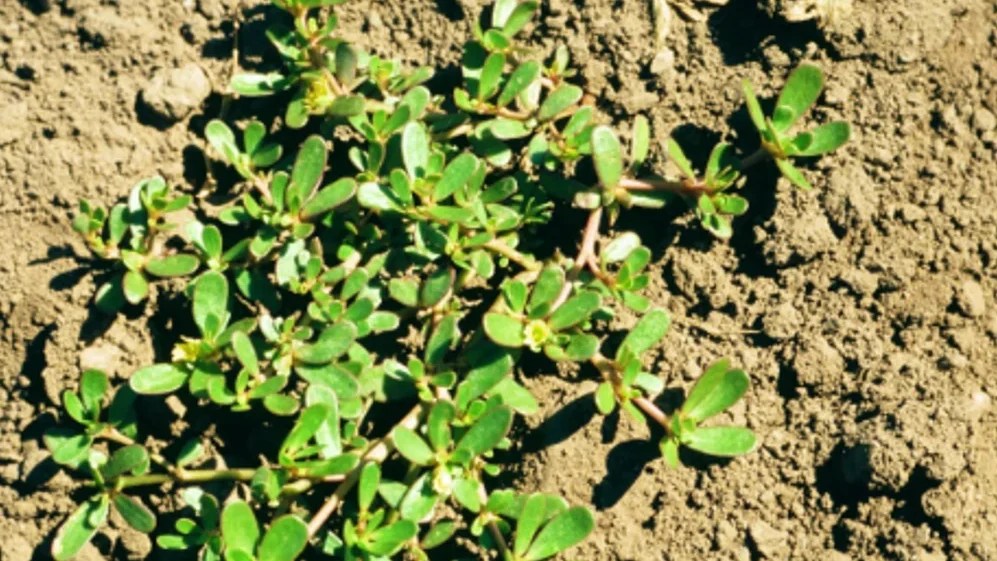
Purslane is an invasive plant that grows close to the ground. Purslane stems are red and green, with green leaves that are succulent and rubbery. This plant can spread up to 2 feet in diameter (Maine.gov, 2023). It produces yellow flowers that have five petals each. Every part of a Purslane plant is edible, though most people just eat the leaves the way they would spinach plants. These plants are often boiled or sauteed, and some recommend seasoning purslane with butter and salt, and spreading it on top of a piece of toast like avacado.
Raspberries
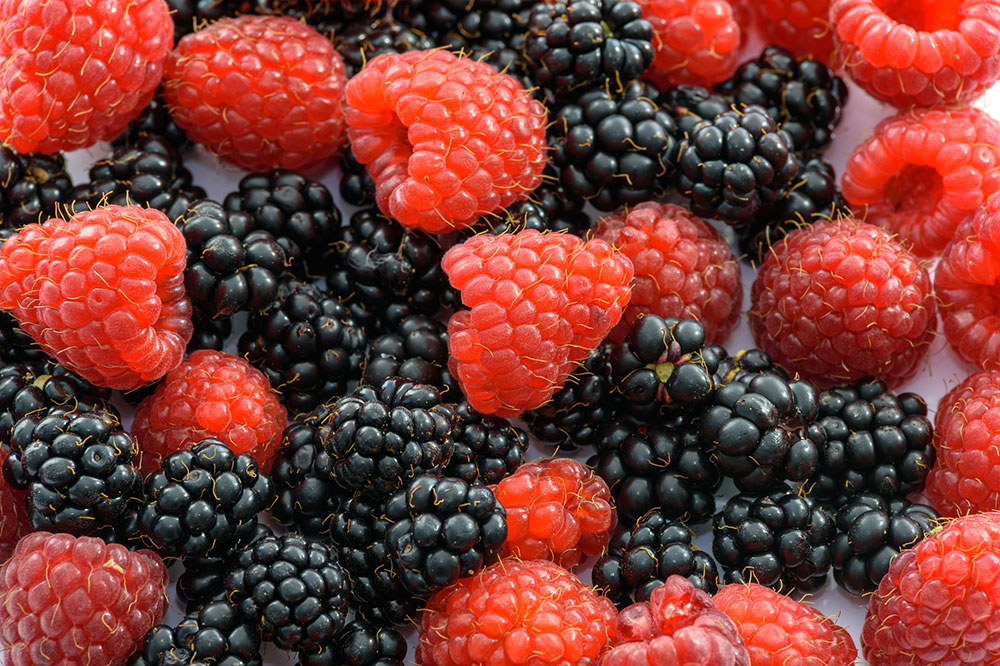
In my own personal opinion, this one is the best find. It makes a rough hike that much sweeter if you can pick some of these on the side of a wooded trail. Maine is home to both Black and Red Raspberries, and though they spoil fast, they ripen anywhere from late June to Late July. There are many varieties of raspberries under those color-coded names. Boyne is one of the most commonly found raspberries in Maine, due to its hardy nature in winter (Handley, 2023). These berries grow best in full sunlight, so open areas like fields are perfect for finding a good haul of raspberries.
Serviceberry/Shadbush

These berries are almost identical to blueberries in appearance and taste, with the identifying factor of being produced by trees. They are also distinguishable due to the fact that they have seeds that taste similar to almonds and turn from red to purple in midsummer. During the spring, the bushy trees produce white flowers, and can grow up to 50 feet in height. These are delicious, and while they grow throughout New England, seem to thrive in the state of Maine!
I chose these ten due to the fact that they are all easily identifiable. I’ve also picked and eaten each one in Maine, though these ten edible plants are found in other New England states as well. A word or two of warning: It’s highly important that responsible foraging is made. Public Land is a great for foraging activities, and Maine has over 600,000 acres of it (NRCM, 2023). From this list alone, I have 7 of these edible plants in my own backyard. If you wish to forage on any person’s property, be sure to ask permission, and maybe share some of what you’ve found as a thank you! Most people don’t take advantage of what’s already within their grasp, and some are not even aware of what a treasure trove their yard is! As far as the dandelion leaves go, you might even be doing someone a favor by digging up some unwanted weeds! Be forewarned, state parks are not categorized as public lands, and collecting or foraging is prohibited. One final word of warning from more experienced foragers- don’t eat any plants whatsoever unless you are completely confident of its identification and edibility. With that in mind, happy foraging!
References:
Bolton, J., Bushway, A., Fuller, D., Calder, B., Savoie, K., & McCarty, K. (2023). Bulletin #4198, facts on fiddleheads – cooperative extension publications – university of maine cooperative extension. Cooperative Extension Publications. https://extension.umaine.edu/publications/4198e/.
DACF. (2023). Forest Trees of Maine. Forest Trees of Maine: Handbooks & Guides: Publications: Division of Forestry: Maine ACF. https://www.maine.gov/dacf/mfs/publications/handbooks_guides/forest_trees/index.html
Fecteau, J. (2014, July 30). FORAGING WILD FRUIT: NORTHERN BLACKBERRY. Josh Fecteau. https://joshfecteau.com/foraging-wild-fruit-northern-blackberry/.
Fecteau, J. (2023). NEW ENGLAND WILD EDIBLES MONTHLY GUIDE. Josh Fecteau. https://joshfecteau.com/resources/wild-edibles-monthly-guide/#toc-4.
Handley, D. T. (2023). Bulletin #2066, growing raspberries and blackberries – cooperative extension publications – University of Maine Cooperative Extension. Cooperative Extension Publications. https://extension.umaine.edu/publications/2066e/.
Handley, D. T. (2023b). Bulletin #2172, raspberry and blackberry varieties for Maine – Cooperative Extension Publications – University of Maine Cooperative Extension. Cooperative Extension Publications. https://extension.umaine.edu/publications/2172e/.
Maine Tree Club. (n.d.). Maine Tree Species Fact Sheet. 2001; Maine Tree Club.
McCargo, H. (2023, June 1). Monarchs and milkweed: Creating a landscape in Maine to support monarch butterflies and other pollinating insects. Wild Seed Project. https://wildseedproject.net/2016/03/monarchs-and-milkweed/#:~:text=Swamp%20(or%20Rose)%20Milkweed%20Asclepias,in%20July%20and%20early%20August.
MHT. (2019, November 19). Wild edibles- what to eat and where to forage in the woods of Maine. Maine Huts & Trails. https://mainehuts.org/discover/blog/wild-edibles-what-eat-and-where-forage-woods-maine#:~:text=berries%2C%20acorns%2C%20seaweed%2C%20and,patch%20of%20any%20given%20plant.
NRCM. (2023). Public lands archives. Natural Resources Council of Maine. https://www.nrcm.org/forest-wildlife/public-lands/#:~:text=Maine%20has%20approximately%20600%2C000%20acres,%2C%20fishing%2C%20and%20hunting%20opportunities.
Peronto, M., & Manley, R. C. (2008). Bulletin #2563, native trees and shrubs for Maine landscapes: Shadblow serviceberry (Amelanchier canadensis) – cooperative extension publications – university of maine cooperative extension. Cooperative Extension Publications. https://extension.umaine.edu/publications/2563e/.
White, J. (2021, March 15). Blackberries the sweet and the thorny. Maine Organic Farmers and Gardeners. https://www.mofga.org/resources/fruit/blackberries-the-sweet-and-the-thorny/.




 Between the Pines and the Sea